
4.02 Leadership Committees & Class Presidency
Understand how the LIA Class Presidency and Leadership Committees are structured and how they help students develop leadership skills through active participation.
Student Leadership Structure
One of the unique aspects of Latinos In Action is its student leadership structure.
Rather than having teachers organize every activity and initiative, students are given meaningful leadership opportunities through the Class Presidency and Leadership Committees.
These leadership experiences help students practice communication, organization, teamwork, and problem-solving skills throughout the school year.
The Class Presidency
The LIA Class Presidency serves as the student leadership team for the class.
The President oversees the presidency and helps ensure that leadership committees are functioning effectively. Vice Presidents oversee specific committees, while the Secretary and Historian provide support and help document activities.
Together, the presidency helps guide the vision, goals, and activities of the LIA classroom.
Leadership Committees
Leadership Committees allow students to take ownership of different aspects of the LIA program.
Each committee is led by a Vice President and is responsible for planning, organizing, and carrying out activities related to its area of focus.
Leadership Committees should meet weekly for approximately 20 minutes to plan and discuss their responsibilities.
These committees are a key element of the LIA model and should be treated as a priority throughout the school year.
Leadership Structure Overview
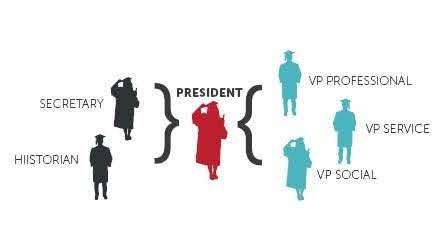
The LIA Class Presidency oversees leadership committees that help students take ownership of the program.
Why Student Leadership Matters
Students learn leadership best by actively practicing it.
By serving in leadership roles, students develop confidence, accountability, teamwork, communication skills, and a sense of responsibility for the success of the program.
The goal is to create a student-led environment where leadership becomes part of the culture of the classroom.
How might student leadership committees help increase student ownership, engagement, and responsibility within your LIA classroom?