
1.09 CRT Teaching
Understand how Culturally Responsive Teaching connects classroom instruction to students' lives, identities, and experiences.
A Culturally Responsive Mindset
Culturally Responsive Teaching begins with the belief that a teacher's understanding of students should drive lessons, activities, and assignments.
Students often report that they dislike school because they are bored or do not feel that what they are learning is relevant to their lives.
When teachers connect learning to students' experiences, interests, cultures, and communities, students are more likely to feel engaged and valued in the classroom.
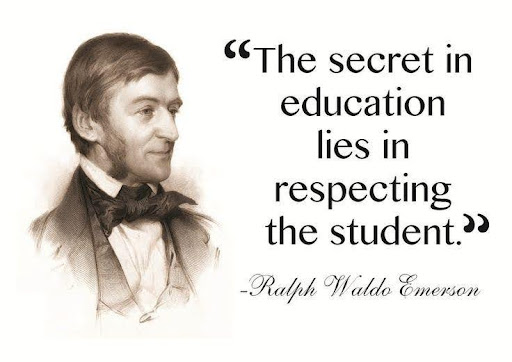
A teacher's understanding of students should shape instruction.
Making Learning Relevant
Contextualizing material is a critical part of engaging students who may already feel like outsiders in traditional public school settings.
For LIA teachers, this means adapting lessons so students can see how the content connects to their lives, goals, communities, and futures.
Adapting the Curriculum
LIA provides a curriculum to help you structure your units and lessons. However, you will want to adapt and modify the content to meet the specific needs of your classes.
This is an ongoing process of small adjustments. Over time, you will learn more about your students and make instructional choices that help them connect with the material.
Throughout your LIA experience, you will receive additional instruction about ways to implement Culturally Responsive Teaching.
How can you adapt a lesson, activity, or assignment so it feels more connected to your students' lives, cultures, goals, or communities?